Treasure Coast Locksmith
LICENSED • INSURED • 35+ YEARS
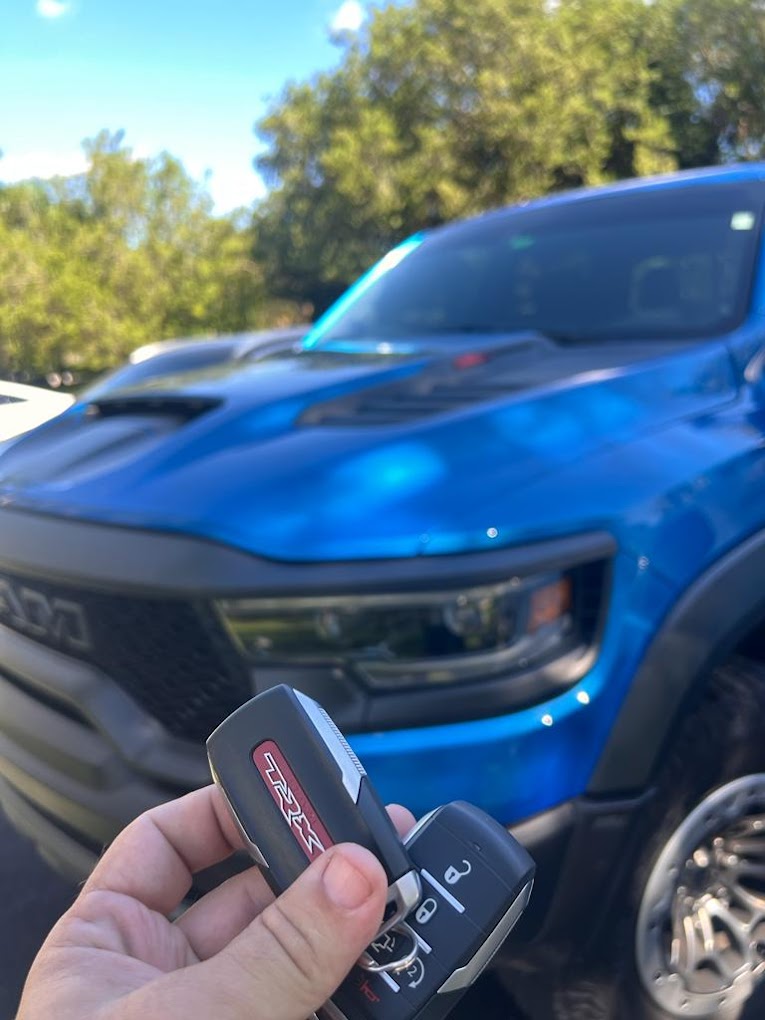
Transponders in car keys evolved through several generations. First-gen (1990s) used fixed 32-bit codes that were vulnerable to cloning. Second-gen (2000s) introduced 40-bit and 80-bit rolling codes. Current generation (2010s+) uses AES-128 encryption - the same standard used in banking. Each generation requires different programming approaches.
The transponder chip is a tiny glass capsule embedded in the key head (for blade keys) or the fob circuit board (for smart keys). It contains a microprocessor and an antenna coil. The car's immobilizer antenna (located around the ignition cylinder or on the dashboard) powers the chip via radio frequency induction.
4D (Texas Instruments): Toyota, Lexus, Ford (older). 46 (Philips/NXP): Honda, Acura. 48 (Megamos): VW, Audi, some Kia. ID47 (Hitag3): Honda (newer), Hyundai, Kia. ID49 (Hitag AES): Ford (2015+). Each type requires specific programming equipment and protocols.
We verify ownership before programming any key. A cut and programmed key provides full vehicle access - this responsibility demands identity verification. Registration, title, or insurance card with matching photo ID is required for every programming job.


Standard port-based programming for most vehicles. Fast, non-invasive, reliable.

Advanced chip-level programming for complex security systems and all-keys-lost cases.
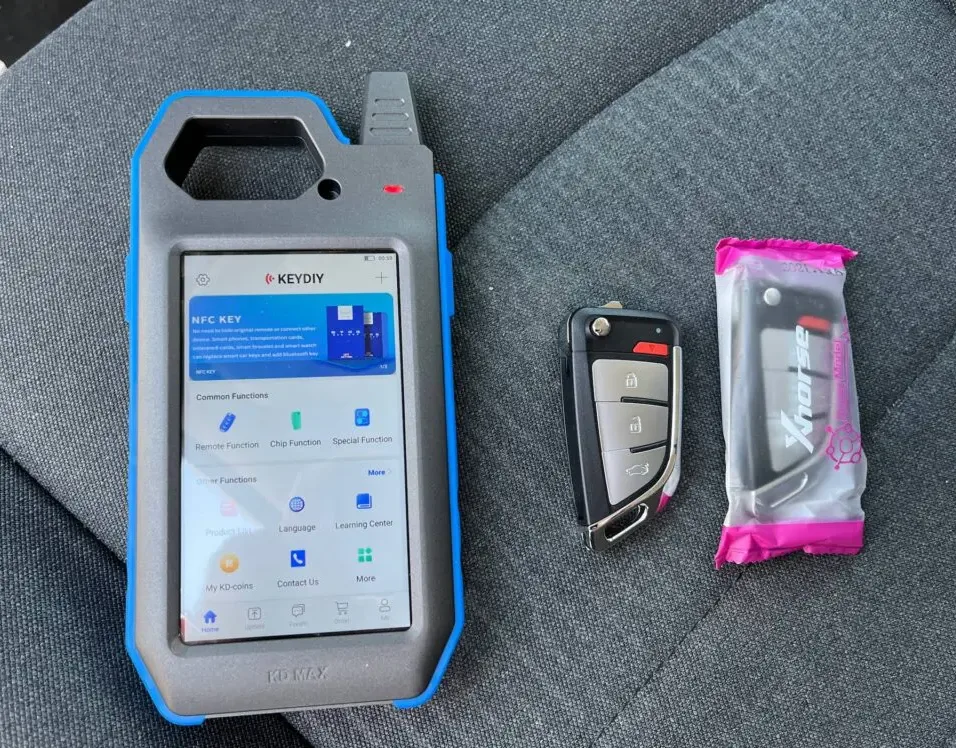
Immobilizer + remote + proximity all programmed in one session.
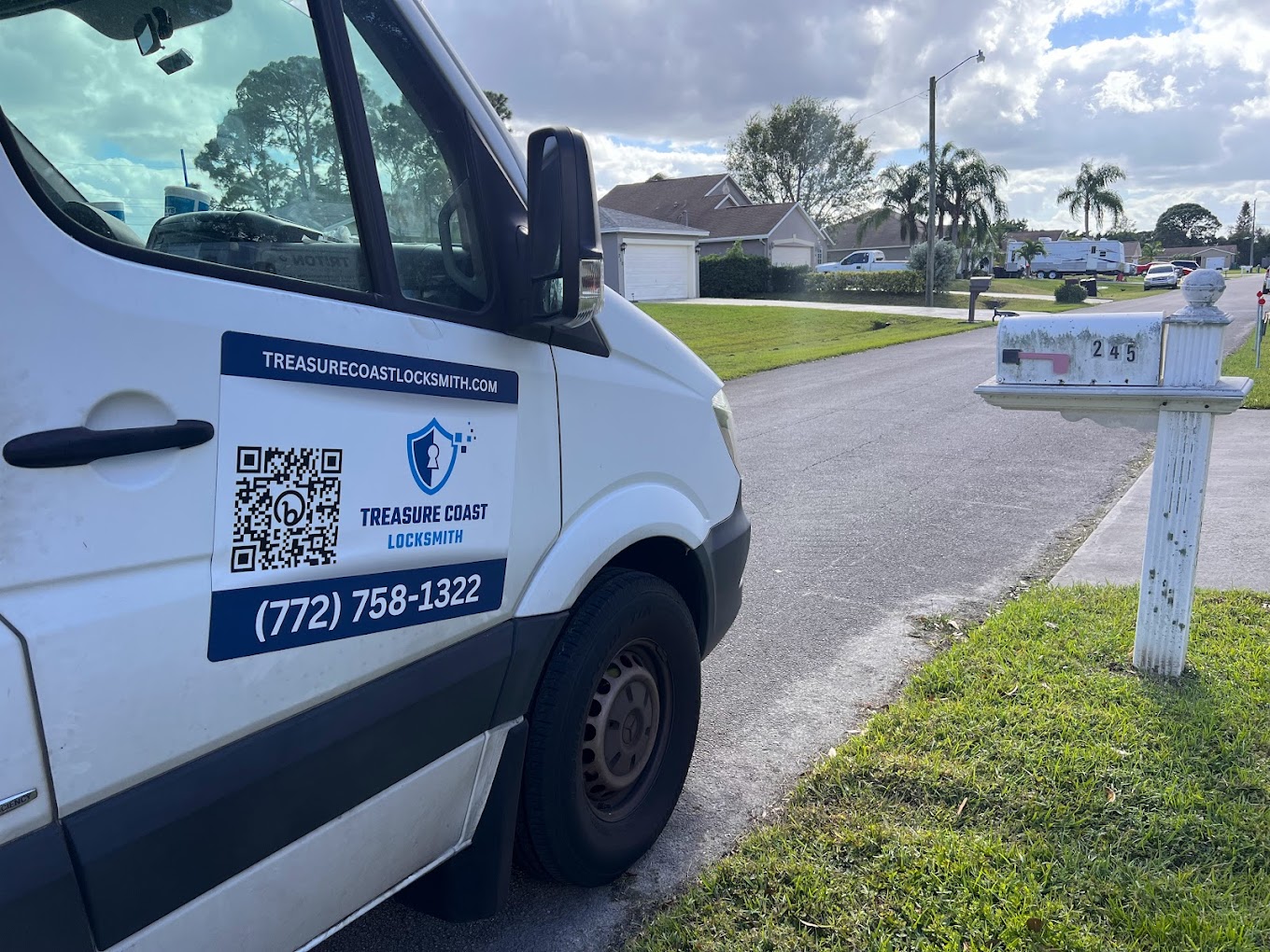
Full programming lab on wheels. We come to your PSL location.